
Volleyball Gear Starter Guide for Beginners in India
Everything a beginner needs to start playing volleyball in India — nets, balls, court setup and budget-friendly picks.
Volleyball gear starter guide for beginners in India
Volleyball is one of the easiest team sports to set up — a net, a ball and a bit of flat ground are all you need to start. This volleyball gear starter guide for beginners in India walks through the essentials, how to choose a net and ball, and affordable picks to get a backyard, beach or school game going.
The two essentials: a net and a ball
Everything starts with a net and a ball. For casual and practice play, a cotton net such as the KTR Play volleyball net (₹352) or the KTR Practice volleyball net (₹544) is durable and affordable. As you move to school or club level, the KTR College volleyball net (₹856) and the KTR Competition volleyball net (₹907) offer tighter weave and better longevity for regular use.
How to choose a volleyball
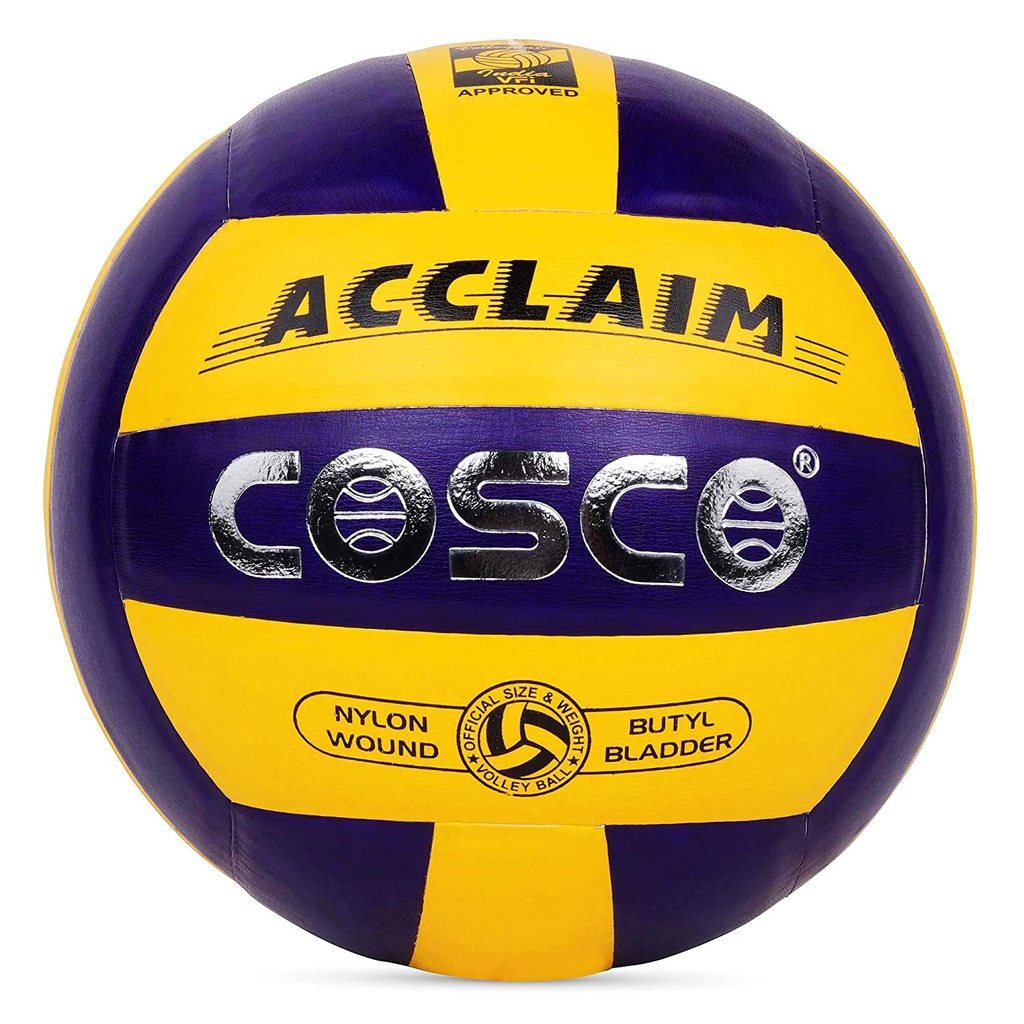
Beginners and younger players do well with a slightly softer, size-appropriate ball that does not sting the forearms while you learn to pass. A Cosco Acclaim volleyball (₹799) is a sensible, well-priced starting ball for practice. Synthetic-leather balls suit outdoor and hard surfaces, while softer balls are friendlier for new players learning bumps and sets.
Setting up your court
Standard net height is 2.43m for men and 2.24m for women, lowered for juniors. You will need two sturdy poles or trees and enough flat space — a regulation court is 18m x 9m, but a smaller patch works fine for casual rallies. Tension the net firmly so it does not sag, and mark rough boundaries with tape or cones.
Nice-to-have extras
Once you are playing regularly, knee pads protect against dives on hard ground, a pump keeps the ball at proper pressure, and supportive court shoes help with quick lateral moves and jumps. Start simple, though — a net, a ball and a few friends are genuinely all you need for your first games.
Indoor, outdoor and beach: matching gear to surface
Where you play changes what you should buy. For hard indoor courts and general practice, a standard synthetic-leather ball and a durable cotton net are ideal, and supportive court shoes help with quick stops and jumps. For beach volleyball, the ball is slightly larger, softer and lower-pressure to suit bare hands and outdoor wind, and you can skip shoes entirely on sand. For rough outdoor ground, a tougher ball and a weather-resistant net last longer against grit and sun.
If you are buying one setup to do everything, choose a mid-priced synthetic-leather ball and a sturdy cotton competition net — they handle indoor and casual outdoor play well. Add a hand pump and a pressure gauge so the ball always plays true, and you have a kit that will see you through years of weekend games.
Finally, look after your gear so it lasts: store the net dry and loosely coiled to stop the cords rotting, keep the ball at the recommended pressure rather than over-inflating it, and bring everything indoors after play in the monsoon. A little care keeps a budget volleyball kit playing well for seasons. And once your group is hooked, an inexpensive antenna set and boundary lines turn any flat patch into a proper court for competitive games.
Shop the gear
- KTR Play Volleyball Net — ₹352
- KTR Practice Volleyball Net — ₹544
- Cosco Acclaim Volleyball — ₹799
- KTR Competition Volleyball Net — ₹907
Related reading
- How to Choose a Volleyball: A Buying Guide for India
- How to Choose a Volleyball Net: A Buying Guide for India
Frequently asked questions
What gear do beginners need to start playing volleyball?
Just two essentials to begin: a net and a ball, plus a flat patch of ground and two poles or trees to hold the net. A softer, size-appropriate ball is easiest while you learn to pass.
What is the standard volleyball net height?
The standard net height is 2.43m for men and 2.24m for women, lowered for junior players. Tension the net firmly so it does not sag during play.
What size volleyball should a beginner buy?
Beginners and younger players do best with a slightly softer, size-appropriate ball that does not sting the forearms while learning bumps and sets. Move to a firmer synthetic-leather ball as your skills improve.